If you’ve ever stood in a grocery store, grabbed a lightweight tote for a handful of produce, or slung a gym bag over your shoulder after a workout, chances are you’ve held a polyester fabric bag without even realizing it. For years, I’ve run a polyester fabric supply business, and one question comes up more often than any other from small-batch bag makers, boutique retailers, and even large wholesale buyers: “Can polyester actually be used for making bags?” The short answer is yes—and not just as a last-minute alternative to canvas or nylon. Polyester’s unique properties, affordability, and versatility have made it a staple in bag manufacturing for decades, and it’s only growing in relevance as consumers and brands prioritize durable, cost-effective materials. Let’s break down the science, the practical uses, and why polyester might just be the perfect material for your next bag line. Polyester Fabric
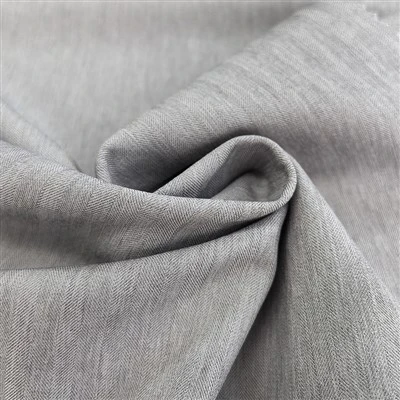
First, let’s start with what polyester actually is, because that’s where a lot of misconceptions start. It’s a synthetic polymer made from petrochemicals, produced through a process called polymerization that binds ethylene glycol and terephthalic acid to form long, strong molecular chains. When these chains are spun into fibers and woven or knitted into fabric, they create a material with physical traits that set it apart from natural fabrics like cotton or linen. For bags, that’s a game-changer. Unlike cotton, which stretches easily when wet and shrinks when exposed to high heat, polyester has a high tensile strength—meaning it can pull and resist tearing without breaking. I’ve had customers come to me after testing their prototypes: a canvas tote ripped after two weeks of carrying heavy textbooks, while a polyester version of the same design held up for six months of daily use. That durability isn’t just a marketing buzzword; it’s a measurable property of the fabric’s molecular structure. The tightly bound polymer chains don’t loosen or stretch out of shape, even when the bag is loaded with 10, 15, or 20 pounds of goods. That’s why polyester is the go-to for duffel bags, travel luggage, and grocery totes that get tossed around, stuffed, and washed repeatedly.
Another key benefit is water resistance, or at least water repellency, which is critical for bags used outdoors. Polyester fibers are inherently hydrophobic—they repel water instead of absorbing it. Compare that to cotton, which can absorb up to 27 times its weight in water; a cotton tote left out in a rainstorm becomes heavy, soggy, and even prone to mold if not dried quickly. Polyester, on the other hand, beads water right off the fabric surface. Now, that’s not to say it’s completely waterproof on its own—lightweight polyester will seep if it’s exposed to heavy rain for an extended period—but it’s easy to treat with a durable water repellent (DWR) coating for even more protection. Many bag manufacturers use coated polyester for crossbody bags, backpacks, and hiking gear that need to keep contents dry. I recently worked with a brand that makes school backpacks; they switched from nylon to our 600 denier polyester fabric, added a DWR treatment, and saw a 30% drop in returns from customers complaining about wet notebooks and electronics after rain. That’s a tangible win for both the brand and the end user.
Durability and water resistance are huge, but let’s talk about practicality for everyday bags, too. Polyester is incredibly low-maintenance, which is a major selling point for consumers and a cost-saver for brands. It’s stain-resistant—wine, coffee, dirt, and mud don’t soak into the fibers like they do in cotton. Most polyester bags can be tossed in a washing machine on a gentle cycle, no special care needed, and they dry quickly in a dryer, often in half the time of natural fabrics. That’s why you’ll see polyester tote bags marketed as “machine washable,” a feature that’s incredibly popular with busy parents, gym-goers, and frequent travelers. For a supplier like me, that means we can offer polyester fabrics in a range of weights, from lightweight 100 denier for foldable shopping totes to heavy 1680 denier for hard-wearing briefcases, so customers can pick exactly what fits their product’s needs.
Now, I know what some of you are thinking: polyester has a reputation for being cheap, flimsy, or even bad for the environment. Let’s address those myths head-on, because they’re holding a lot of bag makers back from using a material that could save them money and improve their product. First, the “cheap and flimsy” myth: not all polyester is the same. A $1 disposable tote from a grocery store is made from thin, low-grade polyester, but high-quality polyester fabric can be just as durable as nylon or canvas, and sometimes more so. For example, our 600 denier polyester has a weave density that makes it resistant to abrasion—meaning it doesn’t fray or wear thin where it rubs against car seats, doorknobs, or other bags. We also offer recycled polyester (rPET), made from post-consumer plastic bottles, for brands that want to align with sustainability goals. A quick look at the data: the recycled polyester market for textiles is growing at 5.1% annually, and bag makers are among the top buyers because rPET reduces a product’s carbon footprint without sacrificing performance.
The second myth, that polyester is inherently harmful to the environment, is partially rooted in fact, but there’s a lot of progress being made here. Traditional polyester is a non-biodegradable plastic, and when it’s washed, it can release microplastics into water systems. However, modern manufacturing practices are changing that. Many suppliers, including my business, use closed-loop systems to capture and reuse water and chemicals during polyester production, cutting waste by up to 90% compared to older methods. Additionally, rPET bags have a 30-50% lower carbon footprint than virgin polyester or even cotton, according to a 2022 study by the Textile Institute. For bag brands that want to market sustainable products, polyester (especially recycled) checks a lot of boxes: it’s affordable, durable, and can be made from waste materials. The microplastic issue is real, but new technologies like microfiber filters for washing machines are solving that problem, so it’s not a dealbreaker for using polyester in bags.
Let’s get specific about what types of bags polyester is most commonly used for, to make this practical for anyone looking to source material. Tote bags, both reusable grocery totes and fashion totes, are the biggest use case. Lightweight 100-300 denier polyester is perfect here—it’s thin enough to fold up and fit in a pocket, strong enough to carry 10 pounds of groceries, and cheap enough to produce in large quantities. Crossbody bags and fanny packs, which are popular for festivals, travel, and casual wear, often use 400-600 denier polyester for a balance of durability and flexibility. The water resistance of polyester makes it ideal for these bags, since they’re often carried in all weather. For larger bags, like duffels, gym bags, and travel luggage, 1680 denier polyester is the standard. It’s thick, tough, and resistant to scratches, so it can handle being stuffed in airplane overhead bins or dragged across airport floors. Even structured bags like briefcases and laptop sleeves use poly-coated polyester to add rigidity and protect devices from scratches and spills.
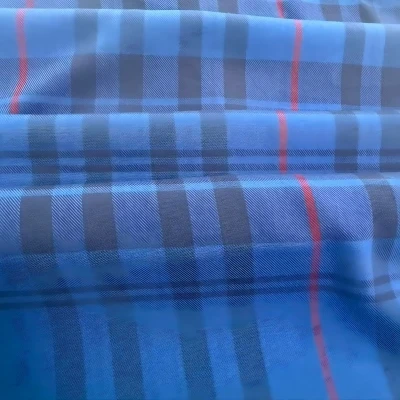
I’ve seen this play out firsthand in my business over the last 12 years. In 2018, a small eco-friendly brand approached me looking for material for reusable produce bags. They initially wanted organic cotton, but after testing, they found cotton would tear after a few uses and wasn’t water-resistant enough for damp produce. We supplied them with lightweight rPET fabric, and they redesigned their line. Within a year, their sales doubled, and they expanded to offer larger grocery totes and laundry bags all made from recycled polyester. That’s the thing about polyester: it’s versatile enough to work for both low-cost, high-volume bags and premium, sustainable lines. It can be dyed in any color, printed with custom designs, and cut into any shape, so it’s flexible for any brand’s aesthetic.
Of course, polyester isn’t perfect for every bag. If you’re making a high-end, formal clutch that’s meant to be a statement piece, silk or leather might be a better fit. If you’re making a tote that will only be used a few times for a party, lightweight polyester works, but you might not need the extra durability. But for 90% of the bags people use every day—from grocery totes to backpacks to gym bags—polyester is not just a viable option, it’s the best option when you consider cost, durability, and functionality.
So, if you’re a bag maker, retailer, or someone looking to launch a bag line, let’s talk about how polyester can fit into your plans. The key is choosing the right type of polyester for your product. If you’re making reusable shopping bags, go for lightweight rPET; if you’re making hiking backpacks, opt for coated 600 denier virgin or recycled polyester. I work with clients of all sizes, from solo designers just starting out to large retail chains, and I can help you find the right fabric, weight, and finish for your specific needs. We offer custom dyeing, printing, and coating services, so you can get exactly the material you want for your bags.
Don’t let outdated myths about polyester stop you from considering it for your next product. It’s a material that’s evolved a lot over the last decade, and it’s now a smart, sustainable choice for bag manufacturers who want to offer products that last, appeal to consumers, and fit their budget. If you’re ready to source polyester fabric for your bag project, reach out to my team to discuss your requirements, get a sample, or learn more about our recycled and virgin polyester options. We’re here to help you find the right material to bring your bag designs to life.
By Material References
- Textile Institute. (2022). Life Cycle Assessment of Textile Materials: Polyester vs. Cotton vs. Nylon.
- Global Fashion Agenda. (2021). The Circularity Gap for Textiles: Polyester’s Role in Sustainable Fashion Supply Chains.
- American Apparel and Footwear Association. (2020). Performance Fabrics for Bag Manufacturing: Durability and Functional Benefits of Polyester.
- Journal of Cleaner Production. (2019). Microplastic Release from Synthetic Fabrics and Mitigation Strategies for Textile Manufacturers.
Hangzhou Kangsheng Textile Co., Ltd.
Hangzhou Kangsheng Textile Co., Ltd. is one of the most professional polyester fabric manufacturers and suppliers in China. We have world-leading production equipment and strong manufacturing capabilities. Please rest assured to wholesale bulk high quality polyester fabric from our factory. Also, custom service is available.
Address: 22# Building, K7 Original park,No.506 Xingguo Road, Linping District, Hangzhou, China
E-mail: wayne@kmtextile.net
WebSite: https://www.kangshengtextile.com/
